
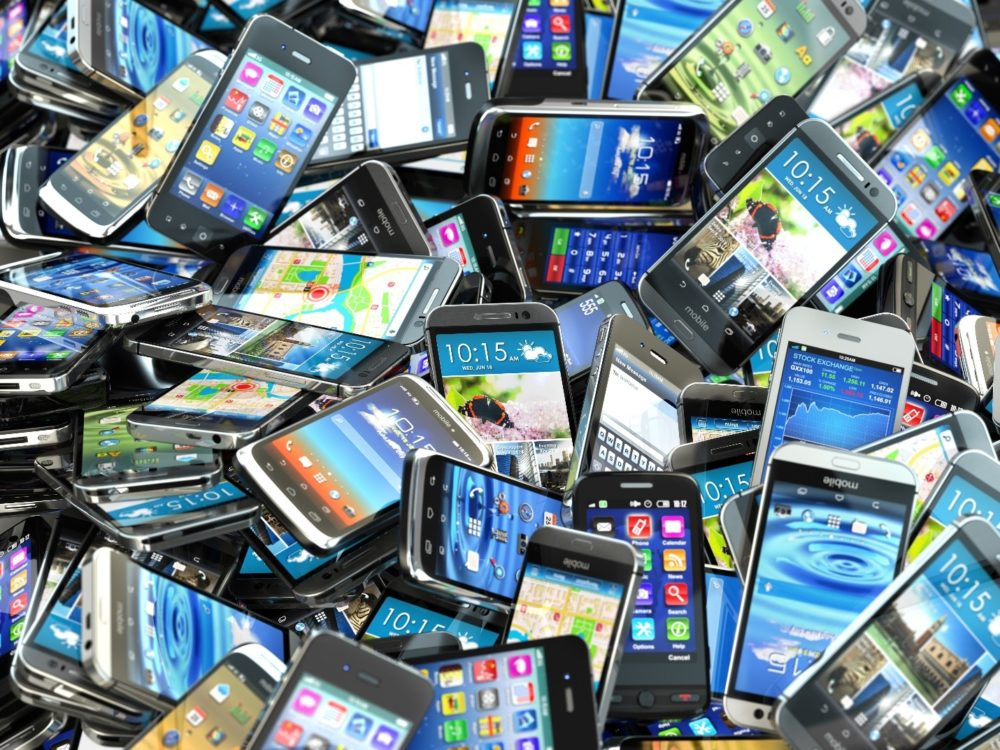
The rapid advancement of smartphone technology has le iphone 回收 d to shorter product lifespans, with consumers replacing their devices every few years. As a result, millions of old smartphones are discarded annually, contributing to the mounting problem of electronic waste. Smartphone recycling has emerged as a vital solution to this issue, offering an environmentally responsible way to dispose of outdated devices while recovering valuable components. Recycling helps minimize environmental impact, reduce landfill clutter, and lower the demand for raw materials used in manufacturing new smartphones.
The process of smartphone recycling involves several steps, beginning with collection. Old phones can be returned through various channels, including manufacturer take-back programs, retail stores, recycling centers, and online trade-in services. Once collected, devices are assessed to determine their usability. Functional phones may be refurbished and resold, while non-functional ones are dismantled. Important parts such as batteries, circuit boards, displays, and metal components are separated for further processing or reuse. Proper handling ensures that hazardous materials like lithium and mercury are disposed of safely, avoiding environmental contamination.
One of the major benefits of recycling smartphones is the recovery of rare and valuable metals. Smartphones contain small amounts of gold, silver, copper, palladium, and other precious elements. Extracting these from recycled devices reduces the need for mining, which can be environmentally destructive and energy-intensive. For example, recycling one million smartphones can recover more than 35, 000 pounds of copper, 770 pounds of silver, and 75 pounds of gold. These figures highlight the immense potential of recycling in conserving natural resources and reducing the carbon footprint of electronic production.
In addition to environmental advantages, smartphone recycling offers significant economic benefits. Refurbished phones provide affordable options for consumers who cannot purchase new devices. The recycling industry also creates jobs in collection, processing, repair, and sales. As demand for sustainable practices grows, more businesses are investing in green initiatives, including recycling and refurbishing electronics. This contributes to a circular economy in which products and materials are reused, extending their lifecycle and reducing the need for constant production of new goods.
Despite the benefits, challenges remain in promoting widespread participation in smartphone recycling. Many people are unaware of recycling programs or harbor concerns about data security. Others simply store their old phones, unsure of what to do with them. Public education campaigns can help raise awareness about the importance and ease of recycling. Ensuring secure data wiping and providing convenient drop-off locations or mail-in options can also encourage consumers to take action. Incentives such as discounts, gift cards, or loyalty points can further boost participation.
In conclusion, smartphone recycling is a crucial step toward addressing the global issue of electronic waste. It enables the recovery of valuable materials, reduces environmental harm, and supports sustainable economic practices. As technology continues to evolve, so must our methods of managing discarded devices. Governments, manufacturers, and consumers all have a role to play in fostering a culture of responsible recycling. By making informed choices and supporting recycling initiatives, we can collectively reduce waste, conserve resources, and pave the way for a cleaner, more sustainable future.