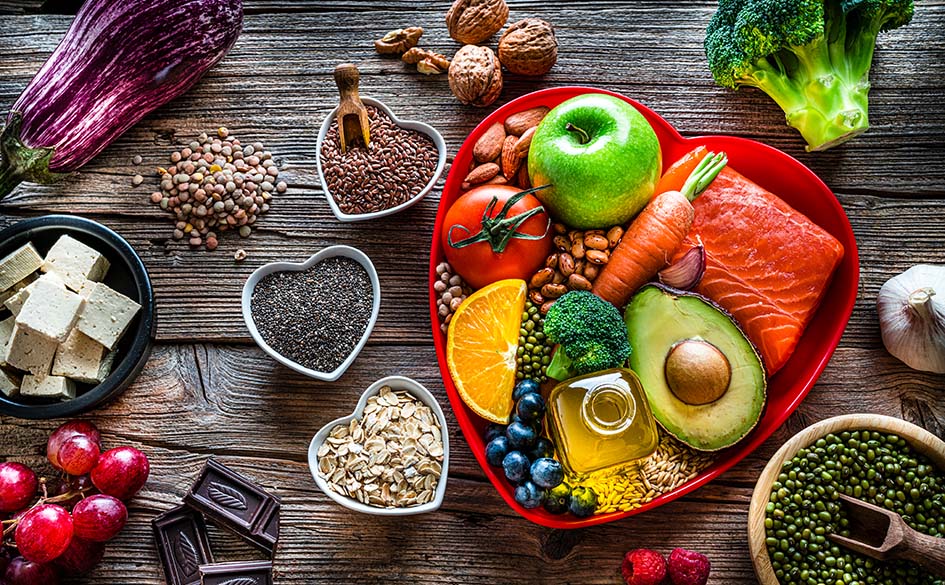
Implementing a plant-based diet is no longer a fleeting trend—it’s a lifestyle choice grounded in both health science and environmental responsibility. Whether someone prefers to go fully vegan, vegetarian, or simply reduce their usage of animal products, shifting toward a plant-based approach can yield unique benefits for long-term well-being. From lowering the Phonemantra.com of chronic diseases to reducing one’s h2o and impact, this way of eating supports not only personal health but also the healthiness of the planet.
At the heart of a successful plant-based diet lies balance and variety. It’s not enough to simply cut out meat or dairy—what matters is replacing them with nutrient-dense alternatives. Whole foods like dried beans, nut products, seed, whole grains, fruits, and vegetables provide essential vitamins, vitamins, fiber, and plant-based meats. These elements help maintain energy levels, regulate digestive function, and support immune function. Incorporating a diverse choice of plant foods ensures a diverse intake of antioxidants and phytonutrients, which combat inflammation and oxidative stress in the body—both which are associated with chronic conditions such as heart problems, diabetes, and certain cancers.
One of the most common concerns with plant-based eating is getting enough protein. However, with innovative planning, it’s easy to meet daily protein needs without animal products. Foods like lentils, tofu, tempeh, quinoa, chickpeas, edamame, and nut products can supply ample protein while also offering fiber and healthy fats—something animal meats generally lack. Combining different plant meats throughout the day (for example, hemp and beans) ensures a complete amino acid profile, especially important for those engaged in regular physical activity.
In addition to protein, other nutrients deserve attention. Vitamin B12, for instance, is not naturally present in plant foods and may be supplemented or obtained through fortified products. Iron, calcium supplements, omega-3 efas, and zinc can also be lower in some plant-based diets, so incorporating foods like leafy greens, chia seed, flaxseeds, fortified plant milks, and whole grains is essential. Nutritional thrush, sea vegetables, and mushrooms can add flavor and provide micronutrients as well. With mindful choices, source of nourishment adequacy is entirely achievable and supports vibrant health over the long term.
Moving to a plant-based diet can also be a powerful act of sustainability. The meat and milk industries are major allies to greenhouse gas emissions, deforestation, and excessive water use. By choosing more plant-centric meals, individuals reduce their environmental impact, helping to conserve natural resources and reduce polluting of the environment. In fact, studies consistently show that plant-based diets are among the most environmentally friendly eating patterns. Reducing animal product consumption, even by a few meals a week, contributes to a more sustainable global food system.
For those new to plant-based living, starting gradually is often the most effective approach. Rather than overhauling everything at once, replacing one meal a day or designating certain days as meat-free can ease the changeover and make it more sustainable. Exploring new recipes, refining global cuisines, and learning how to cook with different plant meats keeps meals exciting and delicious. Many people find that their taste preferences change over time, and cravings for animal products diminish as they discover new go-to dishes and ingredients.
Ultimately, a plant-based diet is more than just a method to better physical health—it represents a conscious commitment to long-term wellness, honourable consumption, and environmental stewardship. By focusing whole, organic plant foods and ensuring nutritional variety, individuals can survive on this lifestyle. It’s not about efficiency, but progress—making choices that line-up with personal values and goals while encouraging a healthier future for both people and the planet.