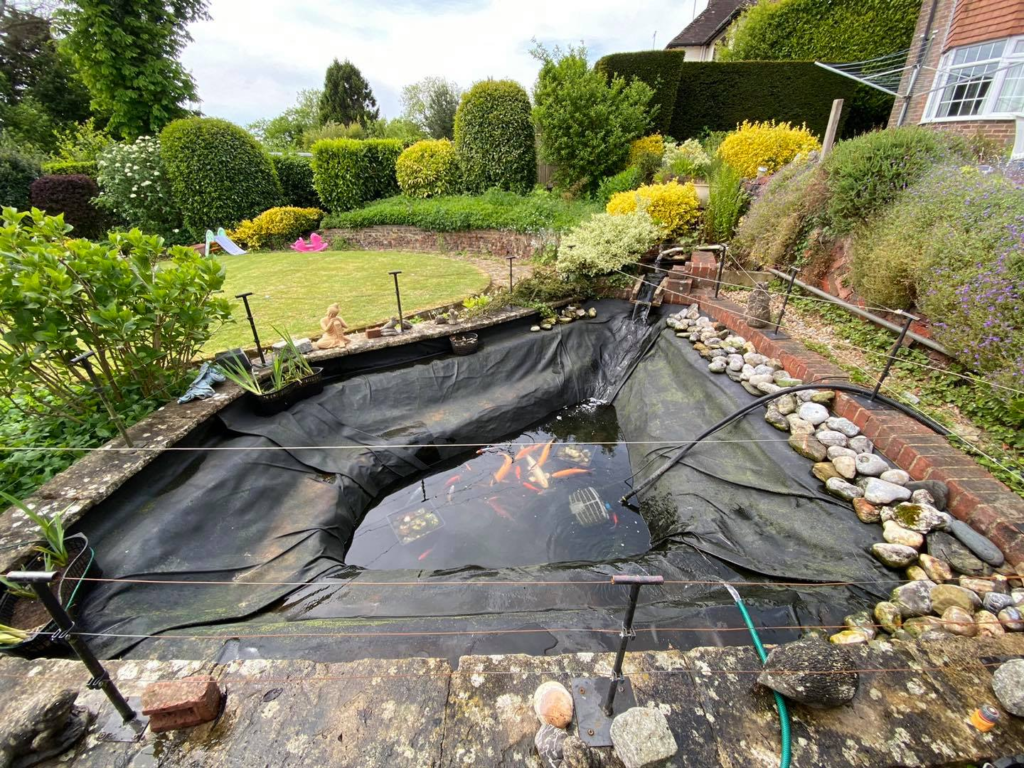
A well-maintained pond is one of the most peaceful and attractive features a garden can have—but without regular care, it can quickly turn into a murky, unhealthy mess. Pond cleaning in Sussex isn’t just about improving appearance; it’s about protecting fish, supporting wildlife, and keeping water ecosystems balanced throughout the year.
Sussex ponds face unique challenges. Falling leaves in autumn, algae growth during warm summers, and sludge buildup after winter all take their toll. Whether it’s a small garden pond in Brighton, a koi pond in Worthing, or a large estate pond in rural Sussex, regular cleaning makes a noticeable difference.
Many pond owners wait until problems appear before taking action. By then, fish may be stressed, water quality compromised, and restoration more difficult. Professional pond cleaning helps prevent these issues before they spiral out of control.
In this guide, we’ll explore everything you need to know about pond cleaning in Sussex—why it matters, what’s involved, and how professional services keep ponds healthy and beautiful all year round.
Introduction to Pond Cleaning in Sussex
Pond cleaning in Sussex is especially important due to the region’s climate and landscape. With a mix of coastal air, leafy gardens, and seasonal rainfall, ponds naturally collect debris faster than many owners expect.
Over time, organic waste such as leaves, fish waste, and decaying plants sink to the bottom, forming sludge. This sludge releases harmful gases and nutrients that fuel algae blooms. Without intervention, water clarity declines and oxygen levels drop.
Professional pond cleaning restores balance. It removes harmful buildup while preserving beneficial bacteria and aquatic life. The goal isn’t to sterilize the pond—it’s to reset it so nature can function properly again.
For Sussex homeowners who value their gardens, regular pond cleaning is part of responsible pond ownership.
Why Regular Pond Cleaning Is Essential
Pond cleaning isn’t optional maintenance—it’s essential care. A neglected pond becomes unhealthy surprisingly fast. Sludge buildup releases ammonia and other toxins that stress fish and reduce oxygen levels.
Regular cleaning improves water clarity, making ponds visually appealing and safer for fish. It also supports beneficial bacteria, which play a key role in breaking down waste naturally.
Another major benefit is prevention. Clean ponds are less prone to algae blooms, foul odors, and sudden fish losses. Addressing issues early saves time, money, and stress in the long run.
In Sussex, where ponds are often surrounded by trees and plants, routine cleaning is one of the best ways to protect your pond investment.
Common Pond Problems Faced by Sussex Pond Owners
Sussex pond owners often deal with recurring issues tied to the local environment. One of the most common is leaf accumulation, especially during autumn. Leaves sink, decay, and contribute to sludge buildup.
Algae is another frequent problem, particularly in sunny gardens. Warm summers and nutrient-rich water create ideal conditions for green water and blanket weed.
Poor water quality can also arise from overfeeding fish, inadequate filtration, or lack of aeration. These problems often overlap, making professional assessment valuable.
Understanding these common challenges helps pond owners recognize when cleaning is needed—and why expert care can make such a difference.
What Does Pond Cleaning Involve?
Professional pond cleaning is a thorough but careful process. It typically begins with removing surface debris such as leaves and twigs. This improves water flow and prevents further decay.
Next comes sludge removal. Using pond vacuums or pumps, excess sludge is extracted without disturbing beneficial bacteria more than necessary. This step is crucial for improving water quality.
Water testing and treatment may follow. Professionals check parameters like oxygen levels, pH, and ammonia, adjusting conditions to support fish and plants.
The result is a cleaner, healthier pond that looks better and functions properly.
Seasonal Pond Cleaning in Sussex
Different seasons require different cleaning approaches.
Spring Pond Cleaning
Spring is the most important time for pond cleaning in Sussex. Winter debris and sludge are removed, filters are serviced, and ponds are prepared for increased biological activity.
Summer Pond Maintenance
In summer, cleaning focuses on algae control, oxygen levels, and water circulation. Regular maintenance prevents green water and fish stress during warm weather.
Autumn Pond Cleaning
Autumn cleaning centers on leaf management. Netting, debris removal, and pre-winter cleaning reduce sludge buildup and prepare the pond for colder months.
Winter Pond Care
Winter cleaning is minimal but preventative. Ensuring gas exchange and protecting equipment helps ponds survive freezing conditions.
Pond Cleaning for Fish Ponds and Koi Ponds
Fish ponds, especially koi ponds, require gentle and knowledgeable cleaning. Sudden changes in water conditions can stress fish and weaken immune systems.
Professional pond cleaners use fish-safe methods, often retaining pond water during cleaning to preserve beneficial bacteria. Fish are handled minimally, reducing stress.
For koi ponds, cleaning also supports growth, coloration, and long-term health. Clean water isn’t just cosmetic—it’s essential for valuable fish.
Wildlife and Natural Pond Cleaning
Wildlife ponds need a different approach. The goal is to support frogs, insects, and plants without disrupting natural processes.
Cleaning focuses on selective debris removal rather than deep sludge extraction. Professionals balance cleanliness with biodiversity, ensuring wildlife habitats remain intact.
In Sussex, where wildlife ponds are common, eco-friendly cleaning methods are especially important.
Professional Pond Cleaning vs DIY Cleaning
DIY pond cleaning can work for small ponds, but it often leads to mistakes—over-cleaning, harming fish, or removing beneficial bacteria.
Professional pond cleaning services bring experience, proper equipment, and local knowledge. They identify issues early and clean efficiently without damaging the ecosystem.
For many Sussex pond owners, professional cleaning saves time and delivers better long-term results.
How Often Should Ponds Be Cleaned in Sussex?
Most ponds benefit from at least one thorough cleaning per year, usually in spring. Heavily stocked ponds or those surrounded by trees may need additional maintenance.
Sussex’s seasonal leaf fall and mild winters mean regular inspections are especially valuable. Consistent care prevents major problems from developing.
Conclusion: Keeping Sussex Ponds Clean All Year Round
Pond cleaning in Sussex is about more than appearance—it’s about health, balance, and longevity. With regular professional care, ponds remain clear, fish thrive, and gardens shine. A clean pond isn’t just easier to maintain—it’s far more enjoyable.
FAQs About Pond Cleaning in Sussex
1. When is the best time for pond cleaning in Sussex?
Spring is ideal, but autumn cleaning is also highly beneficial.
2. Is pond cleaning safe for fish?
Yes, when done professionally using fish-safe methods.
3. How long does pond cleaning take?
Most cleanings take a few hours, depending on pond size and condition.
4. Can algae be completely removed?
Algae can be controlled effectively, though some natural growth is normal.5. Do wildlife ponds need cleaning?
Yes, but gently and less frequently than fish ponds.