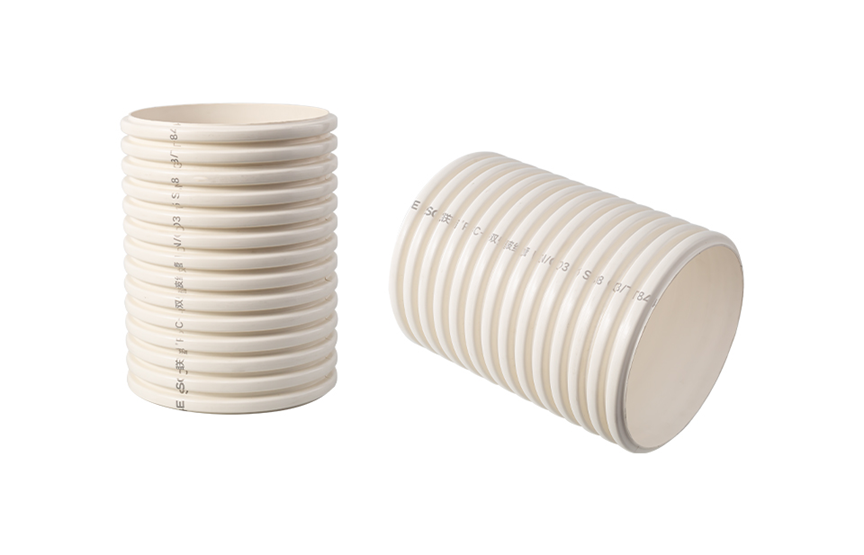
In drainage systems, choosing the right pipe material can affect performance, installation efficiency, and long‑term cost. HDPE drainage pipes have become a popular choice across residential, agricultural, and municipal projects because of their physical properties and adaptability. When paired with the trusted quality of LESSO products, these pipes offer reliable performance for effective water management.
Durability and Resistance to Corrosion
High‑Density Polyethylene, or HDPE, is a thermoplastic material that resists corrosion and chemical degradation. Unlike traditional metal or concrete pipes that may rust or deteriorate over time, HDPE remains stable even when buried in diverse soil conditions. This resilience helps extend the service life of drainage systems while lowering the frequency of maintenance and repairs.
Flexibility and Installation Ease
One of the practical advantages of HDPE drainage pipes is their flexibility coupled with a lightweight design. These pipes can adapt to uneven ground and minor shifts in soil without cracking, making them suitable for a broad range of terrains. Being lighter than alternatives such as concrete, they are easier to transport and install, which can reduce labor demands and project timelines.
Efficient Water Flow and Maintenance
The smooth interior surface of HDPE drainage pipes supports efficient water flow by minimizing friction and reducing the likelihood of blockages. This design is particularly valuable in stormwater management, agricultural drainage, and urban runoff systems where consistent flow is essential. Lower resistance also helps cut down on long‑term operational issues that can arise from sediment buildup.
Versatility Across Applications
HDPE drainage pipes are suitable for many uses, from residential drainage and stormwater channels to agricultural irrigation and industrial wastewater systems. Their chemical resistance makes them appropriate where runoff may contain various contaminants, and their structural strength allows them to perform well under buried conditions and heavy loads.
Environmental Considerations
Sustainability is a growing focus in construction and infrastructure design. HDPE drainage pipes are recyclable and require less energy for production compared to many traditional materials. At the end of their service life, these pipes can be reprocessed, supporting waste reduction and a circular use model for materials.
Conclusion
Choosing HDPE drainage pipes offers a combination of durability, flexibility, efficient water flow, and adaptability for various drainage needs. When selecting products from LESSO, you benefit from reliable quality that aligns with modern construction and environmental goals. Whether for residential projects or larger systems, HDPE drainage pipes provide a practical and cost‑effective solution for managing water efficiently.