The Journey Begins
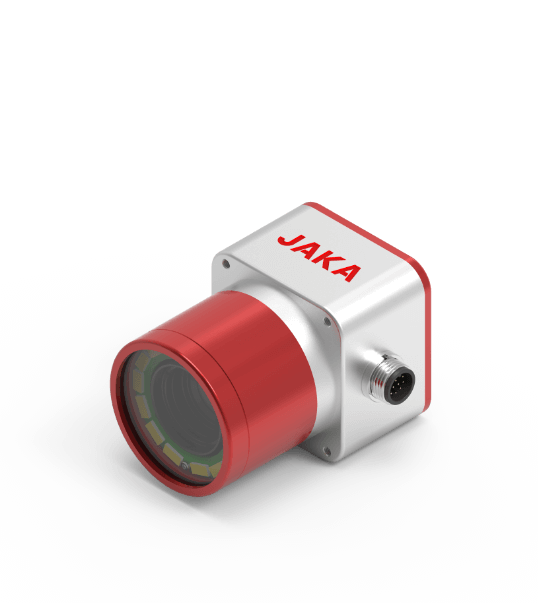
In a bustling factory, machines hum softly, tiresome tasks handled by skilled robots. But among these mechanical wonders, how do we define success? With a higher demand for efficiency, implementing a cobot system seems alluring, offering seamless collaboration between human and machine. Yet, when I observe the misalignment of a robot with vision system with its intended task, I can’t help but ponder: how often do we embrace technology but fail to integrate it into our workflows?
Unmasking Challenges
The potential of a cobot system is monumental; however, it holds hidden pains—misplaced trust often leads to setbacks. I vividly recall a customer who experienced frustrations when their robot with vision system could not reliably detect parts on a fast-moving assembly line. This isn’t just a singular experience—many clients face similar predicaments, elevating operational hiccups into nightmarish, unyielding cycles. The breakdown of communication between human intuition and robotic precision surfaces as a formidable barrier.
What Lies Beneath?
Evaluating the intersection of human and machine is paramount. The thrill of embracing automation must be balanced with grounding inquiries—have we fully understood the capabilities and limitations of our cobots? Meanwhile, it’s easy to overlook the need for tailored programming, as generic solutions often fail to adapt to unique environments. Insights from this intersection reveal one undeniable truth: a cobot is only as effective as the synergy it creates with its operators.
Looking to the Future
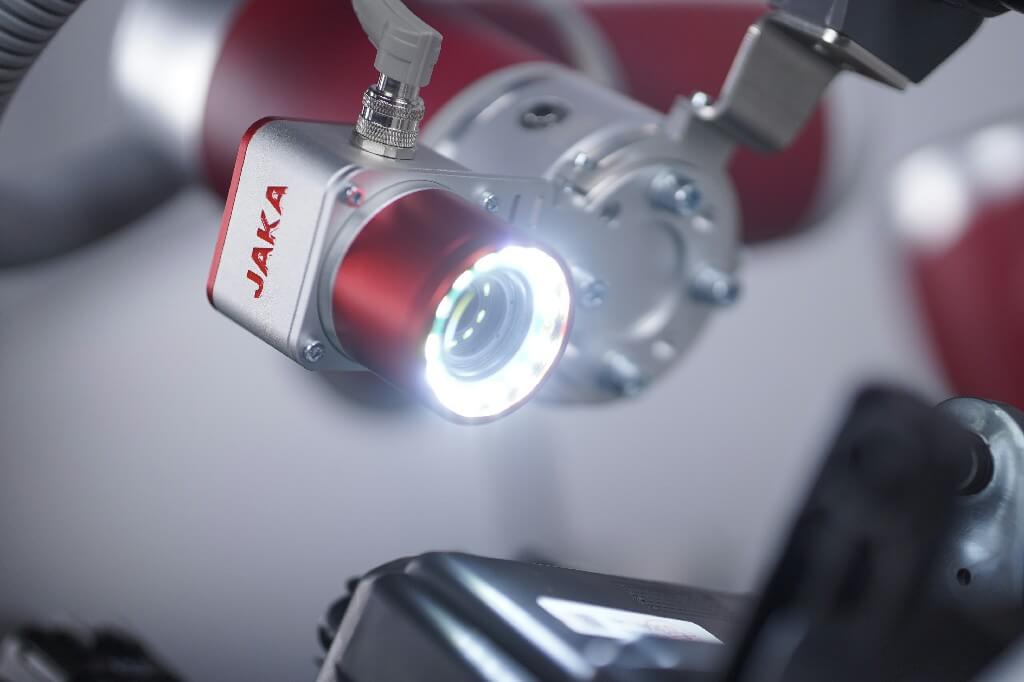
As we stride into a future where the cobot system evolves, its promise grows ever brighter. The integration of advanced vision systems will redefine interactions. I believe soon, we’ll witness a transformation where robot with vision system technologies adapt in real time, gracefully responding to real-world circumstances. Imagine a workplace where these collaborations not only enhance efficiency but nurture creativity—transforming the daily grind into a dance of innovation.
Real-world Impact
It’s imperative to draw lessons from both successes and setbacks. Each implementation of a cobot system teaches us more about our capabilities and needs. Businesses must continually analyze productivity and adaptability to ensure their robotic companions fulfill their potential. I often encourage clients to observe three key metrics: the precision of task completion (because accuracy is crucial), the reduction in labor time (every minute counts), and the overall operator satisfaction (since a happy worker is a productive one). Let’s not forget that technology should serve not just efficiency but also the human spirit behind every task.
A Moment to Reflect
As we embrace this wondrous dance between man and machine, I invite you to share in the excitement of transformation. The road may be fraught with challenges, but the journey offers invaluable insights and growth. I’ve seen firsthand how a well-integrated cobot system can not only alleviate burdens but inspire new approaches. Embrace the future, invest in learning, and most importantly, keep the conversation alive. We all have a role in shaping how these technologies serve us—after all, innovation is a shared endeavor. Discover the possibilities with JAKA, and dance into a future full of potential.