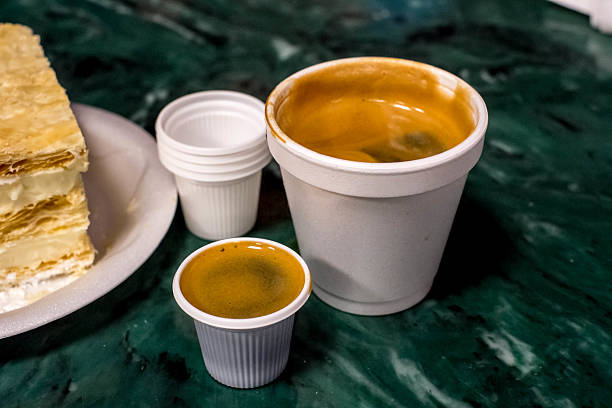
- Two Strong Brews, Two Different Stories
Café Cubano and American espresso may look similar at a glance—both are small, concentrated coffee shots served in demitasse cups—but their flavor, preparation, and cultural roots set them far apart. Each drink tells a different story: one rooted in Italian café tradition and the other in Cuban resilience and community. While both deliver a caffeine kick, the experience of drinking them—and even how they’re made—offers Cuban coffee insight into the cultures that created them. - The Beans and the Roast
Both drinks typically use dark roasted beans, but Cuban coffee often features a roast profile that leans toward an extra-dark, almost smoky flavor, sometimes even with caramel or molasses undertones. Brands like Café Bustelo or Pilon, popular in Cuban households, are pre-ground and specially roasted to achieve that signature taste. American espresso, on the other hand, uses a wider variety of beans and roasts, from medium-dark to dark, depending on the desired flavor profile—ranging from nutty and chocolatey to acidic and fruity, especially in specialty cafes. - The Brewing Method
American espresso is brewed using a high-pressure espresso machine that pushes hot water through finely ground coffee in about 25–30 seconds. It produces a small shot with a rich crema (foam) on top. Café Cubano, however, is traditionally brewed using a stovetop moka pot—a more accessible tool that relies on steam pressure rather than mechanical force. While it doesn’t create the same crema as a commercial espresso machine, it achieves a similarly strong brew. What makes Café Cubano distinct is what happens next: the addition of espuma. - Sweetness Is the Signature
The biggest flavor difference? Sugar. Café Cubano is famous for its sweetness. As the first few drops of coffee emerge from the moka pot, they’re whipped vigorously with granulated sugar to create espuma—a creamy, sugary foam. The rest of the coffee is poured over this foam, resulting in a smooth, sweet shot with a velvety texture. American espresso, in contrast, is typically served unsweetened, allowing the natural flavors of the coffee to shine through. Sugar or milk can be added, but that’s left to the drinker’s preference. - The Social Element
Both drinks have a place in social and professional life, but they function differently. American espresso is often consumed quickly at a café or taken to-go, with solo coffee breaks being common. Café Cubano, by contrast, is inherently social. In Cuban and Cuban-American culture, a cafecito is meant to be shared. When someone brings a colada—a large cup with small serving cups—to work or family gatherings, it signals a pause for conversation, laughter, and bonding. The coffee is as much about the moment as the flavor. - Which one Is for You?
Choosing between a Café Cubano and an American espresso isn’t about which is “better, ” but about what experience you’re looking for. Want something bold, bittersweet, and community-focused? Go for the Cuban classic. Prefer your coffee more nuanced, with flavor clarity and little sweetness? American espresso is your go-to. In the end, both drinks are about more than caffeine—they’re expressions of culture, ritual, and identity, brewed into every cup.