Choosing the right car key cover comes down to four essentials: material, fit, protection and style. A good cover should fit your exact key fob securely, protect it from everyday scratches and minor impacts, keep every button accessible, and suit how you carry and use your keys. Silicone, TPU, leather, hard-shell and hybrid designs each offer different advantages, so the best option depends on your priorities rather than appearance alone.
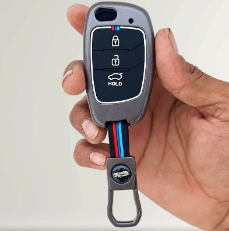
Modern key fobs can contain electronic components, buttons, batteries and proximity functions, making a protective case a practical accessory. However, buying the wrong size or design can create problems with button access, emergency-key release or everyday handling.
Why Use a Car Key Cover?
Your key fob goes through plenty of daily wear. It may share a pocket with coins, other keys and personal items, or get dropped while entering or leaving the vehicle.
A protective cover can help:
- Reduce scratches and scuffs on the original key shell
- Provide additional grip
- Cushion minor bumps and drops
- Keep dirt and everyday debris away from the fob
- Make the key easier to identify
- Give an older key a refreshed appearance
- Add a personalized color, texture or finish
A cover is not a guarantee against serious impact or electronic damage, but it can create a useful layer between the fob and everyday hazards.
Car Key Cover Materials Compared
Material is one of the biggest decisions when shopping for a key fob case. The common choices include silicone, TPU, leather and harder materials.
| Material | Main Advantages | Possible Drawbacks | Suitable For |
| Silicone | Soft, flexible, grippy | Can attract lint; may stretch | Everyday protection |
| TPU | Flexible but structured, slim | Usually less soft than silicone | Balanced protection |
| Leather | Premium appearance and feel | May require more care | Style-focused owners |
| Hard shell | Rigid exterior, structured fit | Can add bulk | Added shell protection |
| Hybrid | Combines different materials | Usually more expensive | Mixed priorities |
Silicone
Silicone is soft and flexible, making it easy to install and remove. Its grippy surface can also make a key easier to hold. It is available in numerous colors and designs.
The trade-off is that some silicone covers can collect dust or lint, while lower-quality designs may lose their original fit with extended use.
TPU
TPU, or thermoplastic polyurethane, sits between softer silicone and rigid plastic. It can provide a structured fit while remaining flexible enough for everyday use. TPU covers are commonly chosen by drivers who want protection without a particularly bulky case.
Leather
Leather focuses heavily on appearance and tactile quality. It can give a key fob a more refined appearance while protecting the exterior from routine contact with pockets and surfaces.
Because leather can respond differently to moisture and wear than synthetic materials, check the manufacturer’s care instructions before cleaning or conditioning it.
Hard-Shell and Hybrid Designs
Hard-shell covers can provide a more rigid exterior, while hybrid covers may combine materials such as leather and TPU. These designs can appeal to buyers who want a particular combination of structure, appearance and grip.
Fit Matters More Than Looks
A stylish cover is not useful if it does not fit your key correctly.
Before ordering, identify:
- Vehicle make and model
- Model year
- Exact key-fob design
- Number and arrangement of buttons
- Emergency or mechanical key release
- Overall shape and dimensions
Two vehicles from the same manufacturer can use different key designs. Even similar-looking fobs may have different button positions or contours. A model-specific cover is therefore generally preferable when the exact fit is available.
Check the Button Layout
The buttons should remain easy to locate and press. A poorly designed cover may partially obscure a button or make it difficult to feel the difference between functions.
Pay particular attention to:
- Lock
- Unlock
- Trunk or hatch release
- Panic button
- Remote-start button, where applicable
- Mechanical-key release
A good fit should feel secure without interfering with normal operation.
How Much Protection Do You Need?
Your lifestyle should influence your choice.
If your key normally stays in a pocket or handbag, protection against scratches and routine contact may be your main concern. If you regularly work outdoors, carry equipment or frequently drop your keys, a more structured design may be worth considering.
Think about the situations your key actually encounters:
Low-risk everyday use: A slim TPU or silicone design may be sufficient.
Frequent drops: Look for a flexible, cushioned cover with secure edges.
Heavy daily handling: Consider a more structured or reinforced design.
Premium appearance: Leather or a refined hybrid may better match your preferences.
Remember that a cover protects the exterior but cannot eliminate the risk of internal electronic damage from severe impact, water exposure or other accidents.
Style: Protection Does Not Have to Look Boring
Key covers are available in minimalist, colorful, textured, transparent, leather and sport-inspired designs.
When choosing the appearance, consider:
- Your preferred color
- Glossy versus matte finish
- Original key visibility
- Texture and grip
- Stitching or decorative details
- Keyring compatibility
- Overall bulk
A simple black or transparent cover can preserve the original appearance, while a bright color can make your keys easier to recognize.
For many buyers, style is also a practical consideration. A distinctive cover can help differentiate one key from another when several keys look similar.
Does a Key Cover Affect the Key’s Functions?
A properly designed cover should allow normal access to the key’s buttons and relevant features. However, the design and thickness matter.
Before buying, check product information and customer feedback for comments about:
- Button responsiveness
- Charging or battery access, if relevant
- Mechanical-key access
- Keyring attachment
- Fit around the entire fob
Do not assume that every cover marketed for a particular vehicle will have identical construction. Compare the product photos and listed compatibility carefully.
What About Signal Protection?
A standard silicone, TPU or leather cover should not automatically be considered an anti-theft or signal-blocking product. Signal-blocking accessories are a separate category and are specifically designed to restrict radio-frequency communication.
If your concern is keyless-entry security, look for a product explicitly designed and tested for signal blocking rather than assuming a normal decorative cover provides that function.
How to Choose the Right Car Key Cover
Use this simple checklist before purchasing:
1. Identify the Exact Key
Do not rely solely on the vehicle badge. Match the actual fob shape and button arrangement.
2. Choose Your Priority
Decide whether you care most about grip, slimness, impact cushioning, premium appearance or a combination.
3. Check Accessibility
Make sure buttons, key releases and other necessary features remain usable.
4. Consider Your Environment
Think about heat, moisture, dust, frequent drops and how the key is normally carried.
5. Check the Construction
Look at seams, edges, button openings, attachment points and overall finish.
6. Think About Maintenance
Silicone and TPU are generally simple to wipe clean, while leather may need material-specific care.
7. Avoid Buying on Appearance Alone
A beautiful cover with poor compatibility is still the wrong purchase.
Are car key covers worth buying?
Yes, a suitable cover can help reduce everyday scratches, scuffs and minor impacts while improving grip and personalization.
What material is best for a car key cover?
There is no single material for everyone. Silicone emphasizes softness and grip, TPU balances structure and flexibility, while leather focuses on premium appearance and feel.
How do I know what size key cover I need?
Match the cover with your exact key-fob design, including its shape, button layout and model compatibility.
Does a key fob cover protect against drops?
It can provide an additional layer of cushioning, but the amount of protection depends on the material and construction.
Can I use a leather cover on a smart key?
Yes, provided it is specifically designed to fit your smart key and does not interfere with buttons or other functions.
Do key covers block signals?
A conventional protective cover should not be assumed to block signals. Signal-blocking products are specifically designed for that purpose.
FAQs
1. Should a key cover fit tightly?
Yes. A secure fit helps prevent the cover from moving around the fob during everyday use.
2. Is TPU better than silicone?
They serve different preferences. TPU generally offers a firmer, more structured feel, while silicone is softer and more flexible.
3. Is leather good for everyday use?
It can be, especially for owners who prefer a premium appearance and are willing to follow appropriate care instructions.
4. Can a cover make buttons harder to press?
A poorly designed or incorrectly fitted cover can. Check that the button openings or molded button areas align correctly with your fob.
5. Should I choose a model-specific cover?
When available, a model-specific option can make it easier to achieve accurate button alignment and overall fit.
6. How should I clean a key cover?
Follow the manufacturer’s material instructions. For many synthetic covers, gentle cleaning with an appropriate cloth is preferable to harsh chemicals.