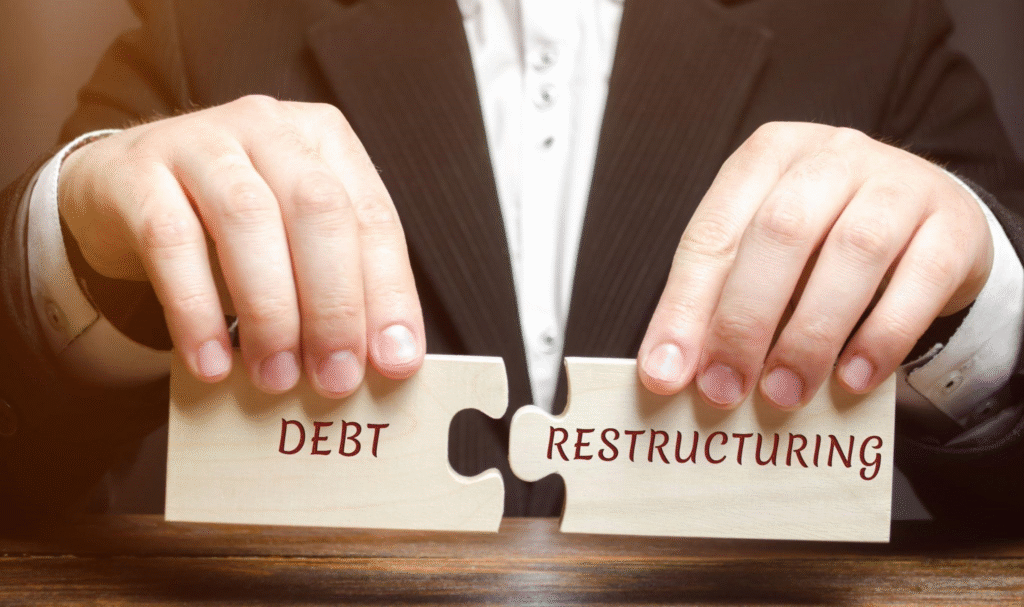
Debt restructuring is a critical financial strategy that allows borrowers—whether individuals, businesses, or governments—to adjust the terms of their debt obligations when they are unable to meet the original repayment schedules. This process can involve reducing int 債務重組 erest rates, extending payment deadlines, or even forgiving a portion of the debt. The goal is to make the debt more manageable, avoiding default while preserving the creditor’s opportunity to recover some or all of the funds. Debt restructuring is often a proactive measure taken in times of economic uncertainty or financial distress, providing breathing room for the borrower while maintaining transparency and communication with lenders.
For businesses, especially those operating in highly volatile industries, debt restructuring can be the difference between survival and bankruptcy. Companies may face challenges such as declining revenue, increased operating costs, or poor cash flow that prevent them from meeting loan covenants. In such scenarios, debt restructuring helps realign financial obligations with current cash flows. This not only stabilizes the business but also protects stakeholders, including employees, suppliers, and investors. In many cases, restructuring may be part of a larger turnaround strategy that includes cost-cutting, asset sales, and management changes designed to restore profitability.
Individuals struggling with personal debt—such as credit card balances, mortgages, or student loans—may also pursue debt restructuring as a way to regain financial control. Through credit counseling agencies or direct negotiation with lenders, individuals can often secure more favorable repayment terms. This might include lowering the interest rate or consolidating multiple debts into a single payment. The benefit of such arrangements is that they allow the debtor to avoid damaging their credit with a default or bankruptcy filing, while the creditor still receives payments, albeit on modified terms.
Governments and municipalities are not immune to debt issues and may also undergo restructuring when national or regional debt reaches unsustainable levels. Sovereign debt restructuring typically involves complex negotiations with international creditors, including private investors and financial institutions. Historical cases, such as those involving Greece and Argentina, demonstrate how deeply debt restructuring can impact economic policy, public services, and international relations. While often controversial, restructuring sovereign debt can be necessary to prevent total financial collapse and to maintain essential public services.
Despite its advantages, debt restructuring does come with potential drawbacks. For borrowers, the process can damage credit ratings, making future access to capital more expensive or limited. Lenders may be reluctant to agree to new terms, especially if there is uncertainty about the borrower’s ability to recover. Additionally, restructuring can carry a stigma, suggesting mismanagement or instability. Therefore, it is essential that any restructuring effort be supported by a well-defined recovery plan, realistic financial projections, and a commitment to addressing the root causes of the debt problem.
In conclusion, debt restructuring is a powerful financial tool that, when implemented thoughtfully and strategically, can offer a path forward for those facing overwhelming debt. It promotes financial stability, supports economic continuity, and can help avoid more drastic outcomes such as foreclosure, insolvency, or liquidation. By fostering collaboration between borrowers and lenders, restructuring ensures that both parties work toward a mutually beneficial resolution. In an ever-changing economic landscape, the ability to adapt and restructure debt responsibly is not just a tactic for crisis management—it is a cornerstone of long-term financial resilience.