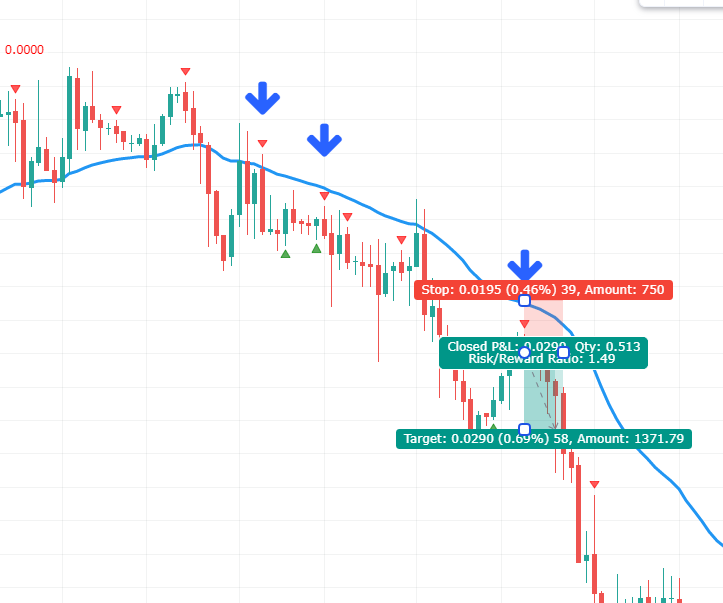
Futures trading has become a popular and potentially lucrative investment strategy, and with the rise of online trading platforms, it’s easier than in the past to become involved in the global markets. Overseas futures trading, in particular, provides an exciting chance to diversify your collection and access markets that you might not be able to reach through traditional means. However, trading in overseas futures markets presents unique challenges, from understanding market character to selecting the right tools for analysis. Developing a winning strategy for overseas futures trading requires a blend of the right tools, timing, and technical indicators to gain a competitive edge.
In this blog, we will guide you through how to create a robust trading strategy for overseas futures markets, diving into essential tools for research, the critical 해외선물 매매기법 role of timing, and the significance of using technical indicators effectively. By understanding these elements and integrating them into a self-displined approach, you’ll be better positioned to succeed in the exciting world of overseas futures trading.
Benefit of a Well-Defined Trading Strategy
When it comes to futures trading, having a well-defined strategy is essential for success. A technique is actually your roadmap for navigating the volatile and sometimes capricious nature of the markets. Without a clear plan, traders are often influenced by emotions, which can lead to poor decisions and substantial financial losses.
An absolute futures trading strategy should be based on research, a structured plan, and the use of technical tools to help you analyze the market. Here’s a dysfunction of the core components you should think about when developing your overseas futures trading strategy:
Objective Setting – The first step in crafting any strategy is determining your goals. Are you seeking short-term gains, or are you focused on long-term investment? Understanding your objectives helps you define the type of futures contracts you want to trade, whether it’s items, stock indices, or stock markets.
Risk Management – A successful trading strategy depends on managing risk. Futures trading can be volatile, and the potential for loss is real. Define the quality of risk you are willing to take, and set stop-loss orders to reduce contact with market downturns. Implementing risk management tactics ensures that even in a worst-case scenario, you can protect your investments.
Research and Analysis – Successful overseas futures trading involves constant research and analysis. Understanding global economic conditions, interest rates, geopolitical events, and other market factors that influence futures prices is key. Research helps you make informed decisions, reducing the possibilities of acting on gut feelings or market rumours.
Tools for Overseas Futures Trading
The right tools can make or break a trading strategy. Thankfully, today’s traders have access to an array of advanced tools designed to aid them in making sound decisions and improving their overall trading performance. Below are some of the essential tools to develop an absolute strategy for overseas futures trading:
Trading Platforms and Brokerage house Accounts
The first tool you need is a reliable trading platform. For overseas futures trading, it’s necessary to purchase a platform that provides access to global markets and real-time data. Look for platforms offering advanced charting capabilities, order performance, and integration with your brokerage house account. Some popular platforms include MetaTrader 4 (MT4), MetaTrader 5 (MT5), Thinkorswim, and Interactive Brokers. The best brokerage house account is also vital to execute trades and manage your positions. Many brokers offer low commissions for overseas futures trading, but be sure to evaluate fees, border requirements, and back-up and support.
Economic Calendars
When trading overseas futures, keeping tabs on global economic events is essential. Economic calendars allow you to monitor major events like central bank meetings, economic reports, and geopolitical developments, all of which make a difference the futures market. Staying updated on these events can give you a competitive edge by assisting you anticipate market movements before they happen. Popular economic calendars include those offered by Investing. com, Forex Manufacturing plant, and Bloomberg. These calendars provide accurate and timely information about upcoming events that could affect the value of futures contracts.
Real-Time Data Nourishes
Real-time data is essential for futures traders to make timely decisions. Data nourishes provide up-to-date market prices, graphs, and volume data, which are essential when trading on short-term market movement. Many platforms offer real-time data nourishes for both domestic and international futures markets.
Backtesting Software
Backtesting is a critical tool in developing a trading strategy. It allows you to test your strategies and risk guidelines based on historical market data to see how they would have performed in the past. By using backtesting software, you can identify potential disadvantages in your strategy and make adjustments before committing real capital. Popular backtesting platforms include TradingView and NinjaTrader.
Timing: The Art of Knowing When to Trade
In overseas futures trading, timing is everything. The ability to enter and exit the market at the right time is what stands between successful traders from those who struggle. Here are key factors to bear in mind regarding timing when trading futures:
Market Hours and Liquidity
Overseas futures markets operate in numerous time specific zones, so it’s necessary to know the hours of operation for the transactions you’re trading on. For example, the Chi town Mercantile Exchange (CME) operates during You. S. hours, while the Hong Kong Exchange (HKEX) suits Cookware markets. Make sure you line-up your trading hours with active periods for the market you’re trading in to ensure adequate liquidity. The quality of liquidity directly affects your capacity to execute trades at favorable prices. Trading during peak hours typically provides higher liquidity, reducing slippage (the difference between expected and actual prices when performing a trade).
Timing the market with Global Events
The timing of overseas futures trading is heavily influenced by global events. For instance, You. S. Federal Reserve rate of interest decisions, Brexit developments, or OPEC oil production cuts can cause market volatility that creates trading opportunities. By staying updated on global events and integrating them into your timing strategy, you can position yourself to monetize on significant price movements. Additionally, understanding market series, such as opening ranges and closing periods, can help you gauge when to enter or exit a trade. For example, certain futures contracts experience increased volatility during market open or close, which can provide opportunities for traders who are able to time their positions effectively.
Using Technical Indicators for Market Insight
Technical analysis plays an important role in futures trading, specially when developing a strategy for overseas markets. Technical indicators are tools that help traders assess price trends, market emotion, and potential reversals. Here are probably the most popular and effective technical indicators to integrate into your trading strategy:
Moving Averages
Moving averages are trusted in futures trading to lessen price movement and identify trends. The easy Moving Average (SMA) and the Exponential Moving Average (EMA) are the most commonly used. Moving averages can help you determine the overall direction of a market and signal entry and exit points based on the crossovers between different time frames.
Relative Strength Listing (RSI)
The Relative Strength Listing (RSI) measures the speed and change of price movements, indicating whether an asset is overbought or oversold. RSI is an important tool for identifying potential price reversals, assisting you time your trades by showing whether the market arrives for a a static correction or continuation.
Bollinger Bands
Bollinger Bands are used to measure the volatility of an asset. The bands consist of a moving average and two standard deviation lines, which adjust as the market becomes more or less volatile. When the price moves toward the top of band, this implies that the asset is overbought, while movement toward the bottom band suggests the asset is oversold. Traders make use of this information to name overbought or oversold conditions and adjust their positions accordingly.
Volume Indicators
Analyzing trading volume is key to understanding market momentum. High volume typically indicates strong investor interest, and low volume can signal the other. Indicators such as On-Balance Volume (OBV) or Accumulation/Distribution can help you understand whether a trend is gaining strength or worsening.
Conclusion: Mastering Overseas Futures Trading for Success
Developing a winning strategy for overseas futures trading requires a knowledge of the right tools, market timing, and technical indicators. By profiting the right trading platforms, staying updated on global events, and using key technical indicators, you can create a strategy that not only helps you mitigate risk but also maximize profits in an ever-evolving market.