Introduction
Let’s get practical: you want packaging that looks sharp, ships on time, and doesn’t blow your margin. In a crowded field of make up packaging manufacturers, that’s harder than it sounds. Brands churn through suppliers, costs creep, and delays stack up—yet everyone promises “premium quality.” So, what if you treated your search like an engineer would, not just a shopper? Meet the idea of choosing a smarter makeup packaging supplier based on signals, not slogans. A recent industry survey suggests most packaging changes add 12–18% cycle time due to artwork revisions and component mismatch. That’s a lot of friction for a simple compact or an airless pump. How do you cut it without cutting corners (or blowing your launch window)? We’ll dissect the real pain points and show you how to compare vendors on evidence—tolerances, lead times, and traceability, not just pretty decks. Next up: what really trips teams up when the drawings look perfect but the lids don’t fit.

The Hidden Friction No One Sees
Where does it really hurt?
Here’s the kicker: most problems aren’t on the shelf, they’re in the files. Look, it’s simpler than you think—mismatched die-lines, loose tolerance stack-up, or an untested lacquer coating can turn a sleek compact into a squeaky hinge. Teams over-trust samples but under-test production runs. Add a rushed Pantone matching process and you get the dreaded “close, not correct” shade. Meanwhile, your MOQ locks you in. If the insert requires ultrasonic welding and the base is anodized aluminum, tiny shifts in wall thickness can crack finishes or warp alignment. And that lovely vacuum metallization? It scuffs when the upstream curing isn’t dialed. — funny how that works, right?
The user pain isn’t only quality; it’s coordination. Artwork sign-off happens on Friday, but tooling tweaks hit Monday. Procurement expects 10 weeks, operations hears 14, and marketing promised 8 on social (yikes). Traditional fixes—buffer timelines and hope—don’t scale. You need early DFM checks, barrier properties clarified for volatile formulas, and clear callouts for PCR content so the lid snap doesn’t soften over time. Without supply chain traceability, a pump failure becomes a mystery hunt. The real win is reducing unknowns before they cost a retool.
From Pain Points to Proof: What Good Looks Like Next
Real-world Impact
Let’s flip it to the future state. A capable partner builds in DFM reviews—before tooling—so injection molding gates, draft angles, and living hinges are validated against your formula and fill line. In one case, a brand cut returns by 32% after switching to a vendor that modeled stress points around a twist collar and validated the seal with accelerated aging. The same team aligned artwork to a production die-line, not a concept PDF, and tightened color delta targets. That small move rescued an entire blush line. If you’re comparing partners through makeup packaging wholesale options, ask who owns the test plan, not just the price. New doesn’t always mean fancy; it means predictable.
Here’s a quick compare frame—today versus tomorrow. Today: scattered samples, a heroic QC checklist, and a hope the airless pump matches the actuator spring spec. Tomorrow: a traceable batch record, PPAP-style documentation, and SPC data on collar torque. Same spend, fewer surprises. And yes, the aesthetics still matter: hot stamping, matte varnish, or soft-touch coating can be stunning when the substrate and cure schedule are right. The forward-looking move is to choose partners who share build data and accept joint ownership of change control—because nothing saves costs like catching a 0.2 mm misfit on screen, not on the line.
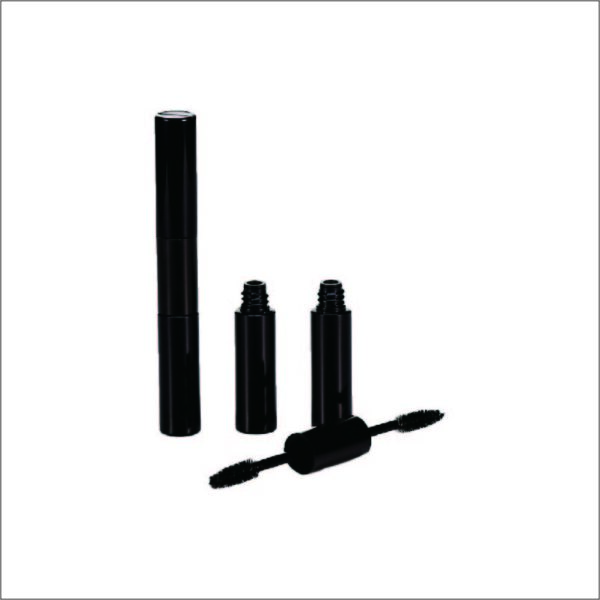
How to Choose Smarter: Three Metrics Worth Tracking
Advisory close, no fluff. First, dimensional reliability: request first-article data and control plans that quantify tolerance stack-up across cap, collar, and bottle (not just a pass/fail note). Second, material-system fit: confirm PCR ratios, resin grades, and barrier properties for your formula, with compatibility tests at target temperatures and humidity. Third, responsiveness under change: measure ECO cycle time—from spec update to approved sample—and require visibility into tooling lead, cavity balance, and rework steps. If a candidate can’t show this, you’re budgeting for re-dos. Keep the tone calm, the data sharp, and the cadence steady—your launch team will thank you when the units click closed with that perfect snap. For a partner that understands both design nuance and process discipline, consider how teams like NAVI Packaging structure their build-to-launch handoff.