Enterprise, Alabama, is an important commercial center in the state’s Wiregrass region. Its connections to Dothan, regional manufacturing facilities, agricultural businesses, and transportation corridors support a variety of freight operations. Trucking companies serving these industries must carefully manage equipment availability, delivery schedules, and transportation costs.
For carriers handling certain heavy containerized shipments, specialized equipment can make a meaningful difference. Bridgemaster tri-axle chassis leasing provides an alternative to purchasing additional chassis while helping businesses plan for demanding freight assignments.
Understanding Heavy Container Transportation Requirements
Intermodal containers carry industrial components, machinery, agricultural products, and manufactured goods. Some shipments contain dense materials that require careful attention to weight distribution and equipment compatibility.
Bridgemaster tri-axle chassis feature specialized three-axle configurations designed for particular heavy-container transportation applications. Their axle arrangement can help distribute weight across multiple positions when paired with compatible tractors and containers.
However, additional axles do not automatically permit heavier cargo. Legal carrying capacity depends on equipment ratings, axle spacing, vehicle configuration, bridge-formula requirements, and applicable transportation regulations.
Supporting Enterprise’s Regional Supply Chains
Enterprise and surrounding Coffee County support agricultural production, manufacturing, construction-related businesses, and commercial distribution.
These industries rely on dependable transportation providers to move materials between suppliers, warehouses, processing facilities, and customers.
Some containerized shipments require specialized chassis because of cargo weight, axle-loading considerations, or equipment specifications.
Businesses exploring Bridgemaster tri-axle chassis for lease in Enterprise, AL can review specialized container chassis leasing information through Contract Leasing Corporation.
Selecting appropriate equipment before dispatch helps carriers address compatibility concerns and coordinate transportation assignments more effectively.
Connecting Enterprise With Southeastern Freight Markets
Enterprise benefits from regional highway connections, including U.S. Highway 84 and Alabama State Route 167. These routes provide access to Dothan, neighboring communities, and broader transportation networks.
Freight carriers serving southeastern Alabama may coordinate shipments across Alabama, Georgia, and Florida.
For specialized container movements, transportation managers must evaluate route restrictions, cargo characteristics, and applicable weight regulations.
Careful planning supports dependable deliveries and helps reduce avoidable transportation disruptions.
Managing Equipment Investment Through Leasing
Purchasing specialized chassis requires substantial upfront capital. Ownership also introduces ongoing expenses for inspections, maintenance, insurance, storage, and eventual equipment replacement.
Leasing offers an alternative through scheduled payments and agreed contractual conditions.
For trucking businesses with changing equipment requirements, this approach may preserve capital for driver recruitment, vehicle maintenance, fleet technology, and other operational priorities.
Fleet managers should compare total leasing costs with ownership expenses and expected utilization before entering an agreement.
Responding to Seasonal and Project-Based Freight Demand
Freight volumes can fluctuate because of agricultural shipping cycles, manufacturing schedules, construction activity, and customer contracts.
A carrier may require specialized chassis for a particular shipment or project without needing that equipment configuration throughout its entire fleet.
Leasing can help businesses align equipment resources with anticipated transportation requirements, depending on availability and contractual flexibility.
Reviewing shipment forecasts and existing chassis utilization helps managers identify when additional equipment capacity is justified.
Planning Compliant Heavy Container Movements
Transporting heavy intermodal containers requires accurate cargo information and appropriate vehicle preparation.
Before dispatch, trucking companies should verify container dimensions, cargo weight, chassis ratings, tractor compatibility, gross vehicle weight, and axle-load distribution.
Carriers must also consider applicable federal and state transportation regulations, including bridge-formula requirements, route restrictions, and permit conditions when relevant.
Accurate documentation and careful route planning help reduce overweight violations, equipment damage, and unexpected delays.
Maintaining Chassis Safety and Reliability
Reliable equipment supports consistent transportation operations and reduces avoidable downtime.
Drivers should perform appropriate pre-trip inspections covering tires, brakes, suspension components, lighting systems, structural members, and container locking mechanisms.
Maintenance personnel should address identified defects before equipment returns to service.
When leasing specialized chassis, carriers should clarify inspection responsibilities, repair procedures, maintenance obligations, and breakdown-related expenses.
Important Factors Before Leasing a Tri-Axle Chassis
Transportation managers should evaluate several considerations before entering a specialized chassis leasing agreement:
- Container compatibility: Confirm the chassis supports the intended container configuration.
- Equipment ratings: Verify axle specifications and permissible operating limits.
- Lease duration: Match contractual commitments with anticipated freight demand.
- Maintenance responsibilities: Clarify inspection, servicing, and repair obligations.
- Equipment availability: Confirm suitable chassis can be supplied when required.
- Return conditions: Review equipment return standards and potential additional charges.
Evaluating these factors helps businesses select equipment arrangements that support operational efficiency and financial planning.
Conclusion
Enterprise’s connections to agricultural, manufacturing, and regional distribution markets make equipment planning important for trucking companies serving southeastern Alabama.
Bridgemaster tri-axle chassis leasing provides an alternative to ownership for carriers managing certain specialized container transportation requirements.
By evaluating equipment compatibility, legal weight restrictions, leasing expenses, and expected utilization, transportation businesses can make informed decisions that support reliable freight operations.
About Contract Leasing Corporation
Contract Leasing Corporation (CLC) provides commercial trailer leasing, container chassis leasing, and fleet-related services for trucking and logistics businesses.
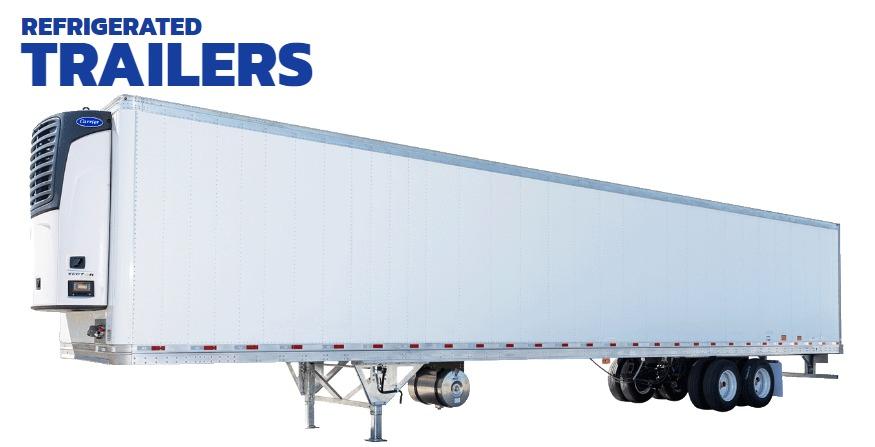
Its equipment offerings include specialized container chassis, dry van trailers, refrigerated trailers, and flatbed trailers for commercial transportation applications.
Contact Contract Leasing Corporation
Company: Contract Leasing Corporation
Phone: 877-735-3815
Email: [email protected]
Headquarters: 371 Hoes Lane, Suite 301, Piscataway, NJ 08854