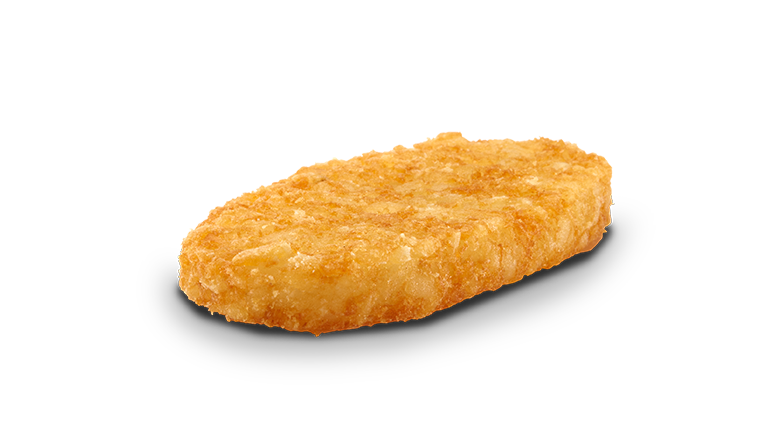
McDonald’s hash browns have become an integral part of the fast-food giant’s breakfast menu, admired for their crispy, golden-brown exterior and soft, flavorful interior. They are a popular choice for many who enjoy starting their day with a savory treat. Understanding the caloric content and nutritional profile of these hash browns is crucial for those who are health-conscious or simply curious about what they’re consuming. This comprehensive mcdonald’s hash brown calories article delves into the calories found in McDonald’s hash browns, their nutritional components, and how they fit into a balanced diet.
The Popularity of McDonald’s Hash Browns
McDonald’s hash browns were introduced in the 1970s and have since become a staple of their breakfast offerings. Their preparation involves shredded potatoes that are seasoned and then deep-fried to achieve a crispy texture. The hash browns are typically round and flat, providing a satisfying crunch and a burst of flavor. Their popularity can be attributed to their taste, convenience, and the nostalgic comfort they provide to many customers.
Nutritional Breakdown of McDonald’s Hash Browns
To understand the impact of McDonald’s hash browns on your diet, it’s important to examine their caloric content and nutritional components in detail. A standard McDonald’s hash brown typically contains around 150 calories. This calorie count is for a single serving, which weighs approximately 71 grams. Let’s break down the nutritional profile further:
1. Calories and Macronutrients
These values provide a snapshot of the hash brown’s nutritional content. The fat content is notably high, primarily due to the deep-frying process, which contributes to the overall calorie count. The sodium content is also significant, which may be a consideration for individuals managing their salt intake.
Detailed Nutritional Analysis
1. Fat Content
A McDonald’s hash brown contains 9 grams of total fat per serving. This fat is primarily derived from the cooking oil used in the deep-frying process. While the amount of saturated fat is relatively low (1 gram per serving), it is still important to be mindful of fat intake, especially if you are following a low-fat diet or monitoring your cardiovascular health.
2. Sodium Content
With 320 milligrams of sodium per hash brown, it represents approximately 14% of the recommended daily limit of 2,300 milligrams. High sodium intake is a known risk factor for hypertension and other cardiovascular issues. For individuals who are sensitive to sodium or are managing high blood pressure, it is important to consider the sodium content of hash browns in the context of their overall daily intake.
3. Carbohydrates and Fiber
Each hash brown contains 15 grams of carbohydrates, including 1 gram of dietary fiber. Carbohydrates are a primary source of energy, but the low fiber content means that hash browns may not be very filling, potentially leading to overeating if consumed in large quantities. Fiber is important for digestive health and can help you feel fuller for longer, so it’s beneficial to balance hash browns with other fiber-rich foods.
4. Protein Content
Hash browns provide only 1 gram of protein per serving. Protein is essential for muscle repair and growth, and it helps keep you satiated. Since hash browns are low in protein, it’s a good idea to pair them with other protein-rich foods, such as eggs or lean meats, to create a more balanced meal.
How McDonald’s Hash Browns Fit Into a Balanced Diet
Understanding how hash browns fit into your daily caloric and nutritional intake is essential for maintaining a balanced diet. Here’s how you can manage their inclusion in your diet:
1. Caloric Considerations
For the average adult, the daily caloric requirement ranges from 2,000 to 2,500 calories, depending on factors like age, sex, activity level, and metabolic rate. A single hash brown, with 150 calories, constitutes a small portion of this daily total. However, if consumed frequently or in combination with other high-calorie foods, these calories can accumulate. Moderation is key to maintaining a balanced diet.
2. Balancing Your Meal
If you choose to enjoy hash browns, consider how they fit into your overall meal plan. Pairing hash browns with nutrient-dense foods, such as fruits, vegetables, or whole grains, can help create a more balanced meal. For example, adding a side of fresh fruit or a vegetable-based salad can provide additional vitamins, minerals, and fiber, improving the overall nutritional quality of your meal.
3. Sodium and Fat Management
Given the sodium and fat content of hash browns, it’s important to be mindful of your total daily intake. If you consume hash browns for breakfast, be cautious with other sources of sodium and fat throughout the day. Opt for lower-sodium and lower-fat options in your other meals to balance your overall intake.
4. Protein and Fiber
Since hash browns are low in protein and fiber, complementing them with other foods that are rich in these nutrients can enhance your meal. Consider adding eggs, yogurt, or lean meats for additional protein, and include fruits, vegetables, or whole grains to boost your fiber intake.
Comparing Hash Browns to Other Fast-Food Breakfast Items
To put the caloric content of McDonald’s hash browns into perspective, let’s compare them with other popular fast-food breakfast items:
1. Sausage McMuffin
A Sausage McMuffin from McDonald’s contains approximately 400 calories. It is higher in protein and fat compared to hash browns and also includes more sodium. This item is more calorie-dense, making it a more substantial breakfast option.
2. Bacon, Egg & Cheese Biscuit
This menu item has around 460 calories, with higher fat and protein content. It also includes cheese and bacon, which increase both the caloric and fat content. This option is richer and more filling but also higher in calories and saturated fat.
3. Hotcakes
A stack of three hotcakes from McDonald’s contains about 580 calories. Hotcakes are higher in carbohydrates and sugars compared to hash browns, making them a more calorie-dense option. They provide less protein and fiber, which might not be as satisfying or balanced.
McDonald’s hash browns are relatively lower in calories compared to some other breakfast items, but they also offer less protein and fiber. Their fat and sodium content are significant considerations, so it’s important to balance them with other healthier food choices.
Tips for Healthier Choices
If you want to enjoy McDonald’s hash browns while maintaining a balanced diet, consider these tips:
1. Moderation is Key
Consume hash browns in moderation. Enjoying them occasionally as part of a balanced breakfast is fine, but regularly consuming them in large quantities can contribute to excess calorie, fat, and sodium intake.
2. Balance Your Meal
Pair hash browns with healthier menu options or home-prepared foods. Add fruits, vegetables, or whole grains to your meal to improve its nutritional quality and ensure a more balanced intake of nutrients.
3. Opt for Lower-Calorie Alternatives
Explore lower-calorie options on the McDonald’s menu. Items like the Fruit & Maple Oatmeal or an Egg White Delight McMuffin provide fewer calories and offer more beneficial nutrients compared to hash browns.
4. Be Mindful of Your Daily Intake
Consider the overall context of your daily food intake. If you choose to indulge in hash browns, focus on consuming lighter, nutrient-dense foods for the rest of the day to maintain a balanced diet.
The Importance of Nutrient Balance
While understanding the caloric content of McDonald’s hash browns is important, it’s also essential to focus on overall nutrient balance. Hash browns provide calories and some fat but are lacking in other essential nutrients. Incorporating a variety of nutrient-rich foods, such as fruits, vegetables, lean proteins, and whole grains, will help support overall health and well-being.
Conclusion
McDonald’s hash browns are a popular and enjoyable breakfast item with an approximate caloric content of 150 calories per serving. While they can be part of a balanced diet, it’s essential to consume them in moderation and be mindful of their fat and sodium content. By making informed choices and balancing your diet with a variety of nutrient-dense foods, you can enjoy hash browns as an occasional treat while maintaining overall health and wellness.
4o mini