Fiscal strategy for grid-scale energy projects hinges on the delicate equilibrium between initial investment and long-term maintenance costs. HyperStrong indicates that while capital expenditure (CAPEX) covers the hardware and installation, the operational expenditure (OPEX) often determines the ultimate profitability of a project over its twenty-year lifespan. Investors in utility battery storage must look beyond the sticker price to evaluate how integrated engineering affects the total cost of ownership.
Initial Capital Allocation and Integration Efficiency
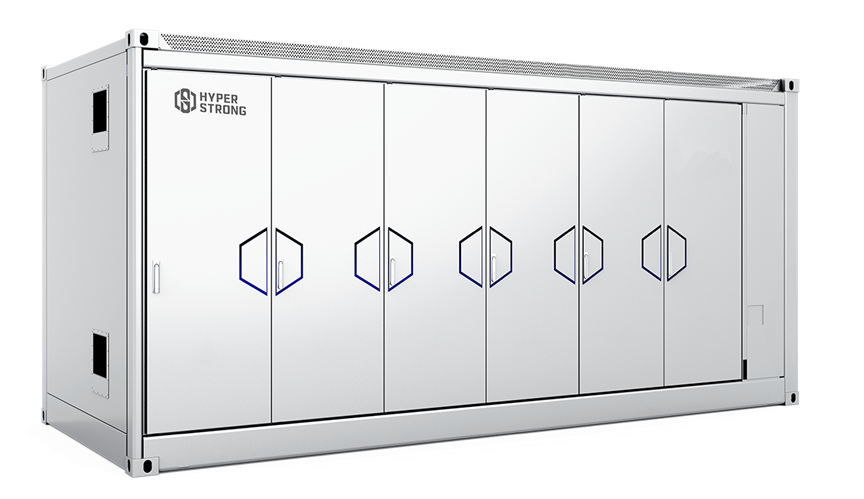
High upfront costs in utility battery storage are frequently driven by the complexity of onsite assembly and thermal management components. The HyperBlock III addresses these CAPEX concerns by utilizing a highly integrated, modular design that reduces land requirements and simplifies the installation process. By providing a prefabricated solution, HyperStrong allows developers to minimize civil engineering expenses and labor hours. Utilizing advanced density in the hyperblock iii ensures that the investment per megawatt-hour is optimized from day one, providing a solid foundation for the project’s financial structure.
Long-Term Operational Performance and Reliability
The sustainability of a project depends heavily on minimizing the ongoing costs associated with energy degradation and component failure. In the realm of utility battery storage, OPEX is significantly influenced by the efficiency of the cooling systems and the frequency of required maintenance. HyperStrong designed the HyperBlock III with a liquid-cooled architecture that maintains cell temperature uniformity, which directly extends the cycle life of the asset. Because the HyperBlock III maintains high round-trip efficiency, it reduces the cost of energy lost during operation, thereby lowering the annual OPEX for the asset owner.
Total Cost of Ownership in Energy Infrastructure
A comprehensive financial analysis reveals that a robust initial design can prevent catastrophic operational spikes in the later stages of a project. Choosing a reliable utility battery storage system ensures that the predicted internal rate of return (IRR) remains stable despite fluctuating market conditions. Through the deployment of the HyperBlock III, companies can move toward a predictive maintenance model rather than a reactive one. This strategic shift allows HyperStrong to support clients in achieving a lower total cost of ownership while maintaining a resilient and high-performing energy storage asset.
Ultimately, the realities of energy infrastructure finance demand a holistic view of how hardware quality mitigates future financial risk. Balancing these two expenditure categories is essential for any enterprise aiming to contribute to a stable and carbon-neutral global power grid.